If you’re thinking about starting your own YouTube channel, you’re probably wondering whether the effort is genuinely worth it.
It’s no surprise YouTube has become one of the most popular platforms for content creators, but with so much competition, it can be genuinely hard to know whether taking the plunge makes sense for you specifically.
In this post, we’ll walk through the real pros and cons of starting a YouTube channel and help you think through whether it’s worth your time. We’ll also cover practical tips for getting the most out of the experience if you decide to go for it.
Is Starting Your Own YouTube Channel Worth It?
1. What Do You Actually Want to Achieve With Your Channel?
YouTube genuinely isn’t for everyone, but it can be a strong way to get your message out there. If you want to share your voice and stand out, it might be worth exploring.
You may discover you have something genuinely unique to offer, or a perspective others can relate to.
If you have a genuinely interesting hobby or profession, YouTube is a natural fit. Share cooking tutorials with food lovers worldwide, teach people how to build things, show them around your city, or answer questions they didn’t even realize they had.
People are constantly looking for new ways to explore their interests and learn how things work. If you think YouTube could genuinely help in some way, it’s worth giving a real shot.
2. How Much Time Can You Realistically Commit?
This depends heavily on your personal circumstances: age, work hours and type of work, school schedule, other hobbies, and family commitments all factor in.
Even accounting for all of that, most people can realistically find at least two hours a week for their channel. If that’s still too much, consider uploading once or twice a month instead, or focusing your energy on other platforms in the meantime.
Daily uploads simply aren’t realistic for most people, though some manage it with minimal disruption elsewhere in their lives. If you do post frequently, staying consistent matters more than sheer volume, since inconsistency is what tends to lose viewers.
Avoid spreading yourself too thin across too many commitments. Focus on genuinely good content over a high volume of low-effort material.
3. What Equipment Do You Actually Need?
The most essential piece is a camera, meaning any device with video recording capability: a phone, tablet, or dedicated camera all work as a starting point.
If you’re using a phone, an external clip-on lens with zoom capability can genuinely improve your footage. Basic lighting helps too, even something as simple as a desk lamp makes a real difference.
A tripod is genuinely worth investing in early, since stable footage immediately looks more professional.
If you plan to shoot photos alongside video, a quality DSLR or action camera like a GoPro is worth researching, though it’s fair to weigh whether that investment makes sense before you’ve found your footing.
TubeBuddy and vidIQ remain popular tools for helping grow a channel faster through SEO support and general optimization insights specific to YouTube.

4. Are You Prepared to Stay Consistent With Uploads?
Consistency matters more than most new creators expect. Uploading daily is a significant amount of work and genuinely isn’t realistic for most people, even those running paid promotion.
Beyond filming, there’s real time involved in editing and publishing each video. If you don’t have that time available, it’s worth being honest with yourself about whether this is the right fit right now.
That said, if this feels like something worth pursuing part-time, as a hobby or side project, go for it. There are genuinely several ways to earn from a channel over time.
It’s worth being precise about how monetization actually works here, since this has changed and is often described inaccurately.
Monetizing a YouTube channel goes through the YouTube Partner Program (YPP), not directly through Google AdSense. AdSense is simply the account YouTube uses to actually pay you once you’re accepted into YPP.
As of 2026, YPP has two eligibility tiers:
- Tier 1 (early access to fan-funding features like Super Chat, memberships, and Shopping): 500 subscribers, at least 3 public uploads in the last 90 days, and either 3,000 valid watch hours in the past 12 months or 3 million Shorts views in the past 90 days.
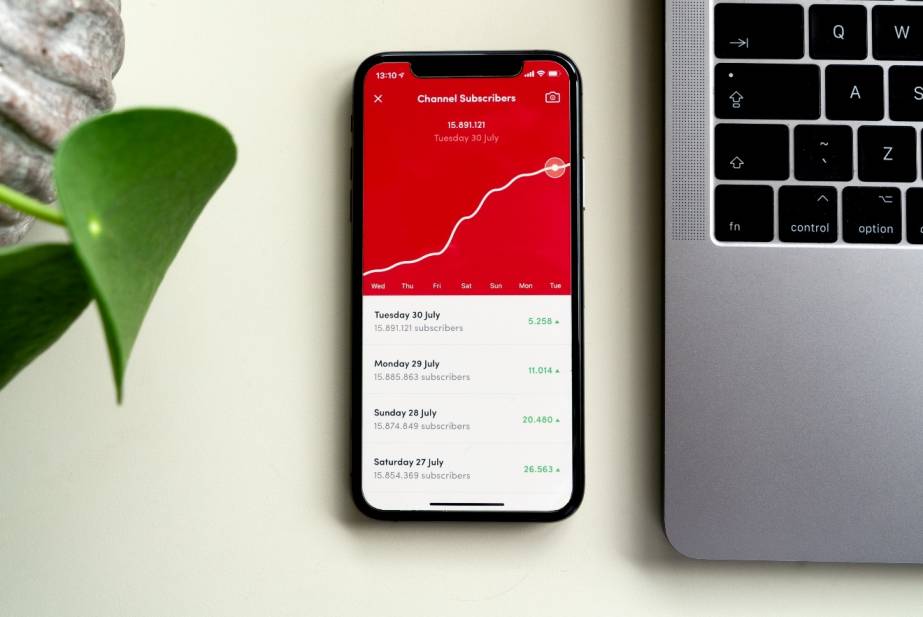
- Tier 2 (full ad revenue sharing): 1,000 subscribers, plus either 4,000 valid watch hours in the past 12 months or 10 million Shorts views in the past 90 days.
Worth flagging: YouTube has announced that Tier 2’s requirements will roughly double starting February 1, 2027, moving to 8,000 watch hours or 20 million Shorts views.
If you’re planning your channel with monetization in mind, it’s genuinely worth factoring in this upcoming change.
Beyond the numbers, you’ll also need to follow YouTube’s monetization policies, keep your account free of active Community Guidelines strikes, enable two-step verification, and be located in a country where YPP is available.
Beyond ad revenue, sponsorships remain a genuinely strong income source once you’ve built any real audience, often more lucrative per view than ads alone.
5. Do You Have an Engaging Personality and Something Genuine to Say?
If you have both, it’s genuinely worth your time. If not, it might still be worth trying for fun, but stand-out success becomes harder without a genuine hook.
Some creators lean on humor or creativity to carve out a niche, since that’s simply what they’re naturally good at. If that’s not you, it’s worth rethinking what genuinely sets your perspective apart, rather than assuming raw charisma is the only path to a following.
Plenty of creators start simple, talking into a camera about their day, and build an audience from there.
If that sounds like your instinct already but you’ve dismissed YouTube specifically, it’s genuinely worth reconsidering, given how much of the platform still rewards exactly that kind of straightforward, personal content.
6. Are You Comfortable Being on Camera?
One of the bigger decisions here is whether you’re genuinely comfortable appearing on camera. It can feel intimidating putting yourself out there for anyone to see, so it’s worth being honest with yourself about this upfront.
If being on camera doesn’t appeal to you, that doesn’t have to end your YouTube ambitions. Animated content or other visual formats can carry a channel without ever showing your face.
Partnering with someone more comfortable on camera is another genuinely solid option, letting you combine your strengths.
7. Do You Have Existing Connections in the Creator Community?
If you already have some presence or connections, whether through other creators or an existing audience elsewhere, it’s genuinely worth leveraging that as you start out.
Set up your channel, build a playlist or two, and upload your strongest existing content.
If you already have a following on Instagram or another platform, you can point that audience toward your new channel directly, encouraging them to subscribe for future content.
8. Are You Familiar With YouTube’s Community Guidelines?
Read them thoroughly before setting up your channel. It’s also worth weighing the long-term time investment: uploading, moderating comments, responding to your audience, and generally maintaining an active presence all take real, ongoing effort.

There’s also a genuine risk of suspension or a ban if you violate YouTube’s terms of service, so understanding and following the rules from the start matters more than it might seem early on.
Conclusion
That wraps up our look at whether starting your own YouTube channel is genuinely worth it. If you believe you have what it takes, go ahead and set up your account.
If you have any questions or suggestions, feel free to leave a comment below, I’d be so glad to hear your thoughts on the topic.