
Email remains one of the most cost-effective ways to communicate directly with your target audience and customers. That said, building an email list from scratch can be a tough, slow process.
That’s exactly why this post walks through simple, effective ways to build and grow your own email list.
How to Create an Email List for Marketing
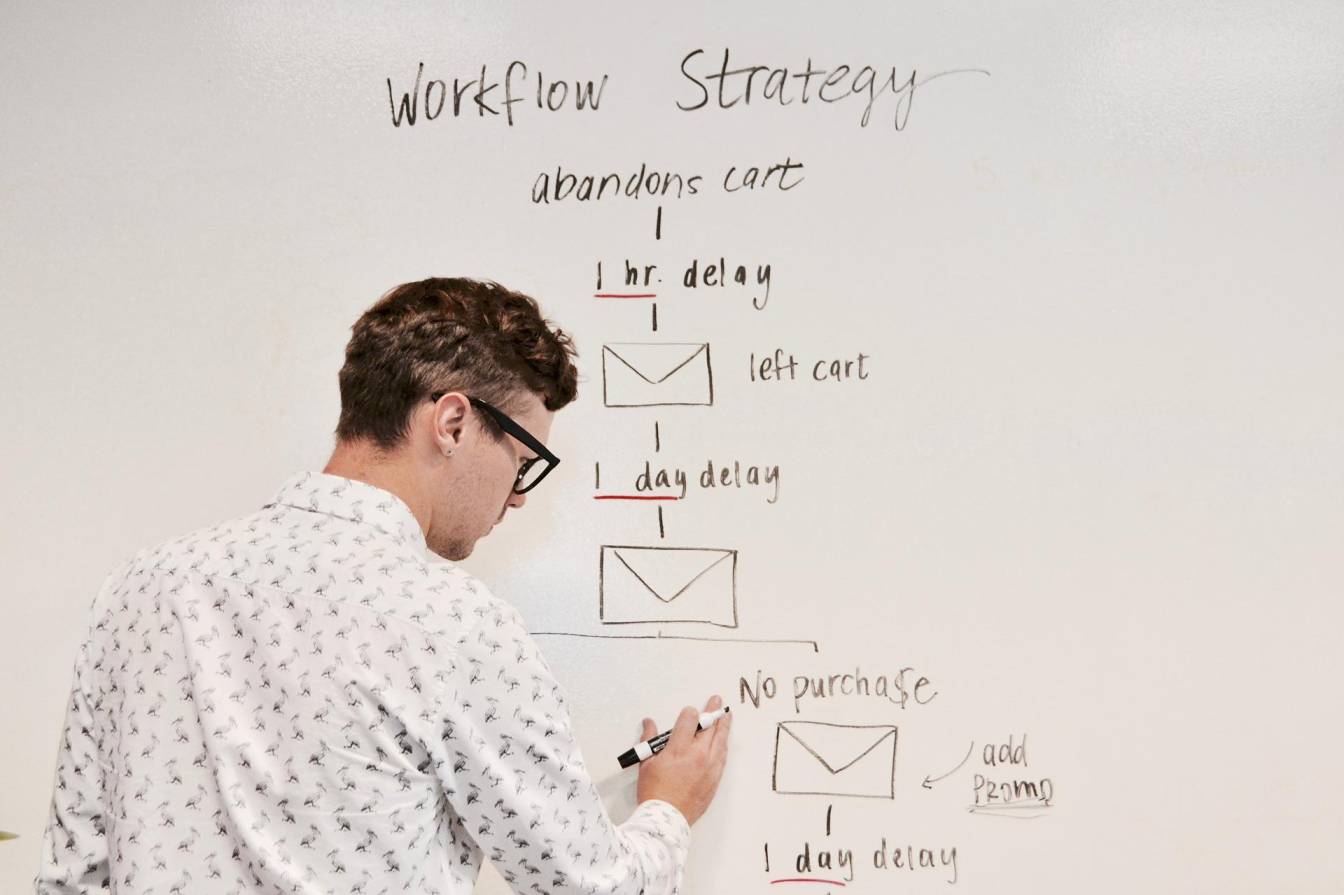
What Is Email Marketing?
Email marketing is a form of direct marketing that uses email to communicate with current or potential customers. Any email sent to a current or prospective customer counts as email marketing.
It typically serves several purposes:
- Strengthening the relationship between a business and its current or past customers, encouraging loyalty and repeat business
- Helping acquire new customers and persuading existing ones to make a purchase
- Sometimes carrying advertisements from other companies within emails sent to your own list
Beyond being cost-effective, email marketing also lets you track and measure your results with real precision.
What Is a Mailing List in Email Marketing?
A mailing list is simply a collection of email addresses you can use to communicate with multiple people simultaneously.
Why Emails Matter
First and most importantly, your email subscribers need to be opt-in. This means they’ve explicitly given you consent to email them.
To achieve this, offer something valuable in exchange for signing up to your list. This helps you build a strong list made up of quality subscribers who are actually interested in what you offer.
Building an effective email list takes real time and effort, but once it’s built, you gain a direct, reliable way to connect with your audience regularly and promote your business.
Can I Get a Free Email List for Marketing?
Marketers put work into building profitable email lists. It’s safe to assume that any list offered to you for free will be essentially worthless to your business.
If you somehow find one being given away, I can guarantee it won’t provide any real value, and worse, it could land you and your business in serious trouble.
Is It Legal to Buy an Email List for Business?
Buying an email list is a bad idea. The core problem: you have no consent from those subscribers to email them in the first place.
This creates real deliverability issues, your email service provider may flag or ban your account, and your brand’s reputation takes a hit in the process.
It’s always wiser to take the longer route and build your own list of people interested in your product or content.
How to Create an Email List, the Right Way
1. Identify Your Target Audience
Before building your list, know exactly who you’re trying to reach. This clarity helps you figure out where to actually find these people online.
2. Create a Valuable Offer
Once you know your audience, create something valuable to offer in exchange for signing up, a guide, a checklist, a discount, whatever fits your niche and solves a problem for them.
3. Add a Sign-Up Form to Your Site or Blog
Make sure it’s easy to find and simple to complete. If you don’t have a blog yet, that’s worth setting up first as your foundation.
4. Promote Your Sign-Up Form
Use social media and other relevant online channels to get your sign-up form in front of a wider audience. Focus specifically on wherever your target audience spends their time.
5. Start Collecting Addresses
Once the steps above are in place, it’s time to actually start growing your list.
Using an ESP (Email Service Provider) to Automate Collection
An Email Service Provider helps you manage your list and automate tasks like sending newsletters and automated email sequences.
GetResponse is one solid example. It’s an email marketing platform that helps you build and manage your list while also designing polished emails for your subscribers.
It’s worth being accurate about GetResponse’s current free plan, since it’s changed since this post was first written.
As of now, the free plan includes up to 500 contacts and lets you send up to 2,500 emails per month, along with 30 days of access to premium features before those extras become paid-only.
This is a real shift from the earlier, more generous free tier, so it’s worth checking GetResponse’s current pricing page directly before assuming what’s included.
If GetResponse’s current free limits feel too restrictive for where you’re starting out, a couple of alternatives worth comparing:
- Brevo (formerly Sendinblue) offers unlimited contacts on its free plan, with a daily sending cap of 300 emails, a strong option if you’re building a large list slowly.
- MailerLite allows up to 500 subscribers and around 12,000 emails a month on its free tier, making it a solid middle ground.
Best Email Service Providers
It’s worth noting that OptinMonster, mentioned in some lists like this, is actually a lead-generation and pop-up tool rather than a full email service provider.
It’s useful for capturing sign-ups on your site, but you’d still pair it with an actual ESP like the ones above to manage and send to your list.
Email Marketing Strategies
Once you’ve built a list of engaged, quality subscribers, it’s time to start sending emails that keep them interested and active. A few tips:
1. Keep Your Emails Precise
Don’t send a full article as an email. Stick to the main points and make sure your message communicates its purpose clearly and directly.
2. Include a Strong Call to Action
If you want subscribers to make a purchase or click through to your site, use a clear, direct call to action that encourages them to take that exact step.
3. Use Videos and Images
This adds visual interest to your emails and tends to boost engagement.
4. Test Before You Send
Before hitting send, make sure your email is polished. Send yourself test versions a few times to confirm everything looks and functions exactly as intended.
Building an email list from scratch takes real time and effort, but it’s worth it for succeeding with digital marketing long term. Following the steps above sets you up well.
Conclusion
As you’ve seen, a well-built email list is essential for any business serious about marketing directly to its audience. I hope you found this post valuable and learned that with consistent effort and the right approach, you can build an effective, profitable email list for your business.
If you have any suggestions or questions, feel free to reach out in the comments below, I’d be glad to hear from you.