
In this post, you’ll learn how to build real success working online from home as a freelancer on Fiverr. Fiverr was created to let people purchase digital services from a wide range of skilled vendors around the world.
Since launching in 2010, it has grown enormously into one of the largest freelance marketplaces globally.
That growth sounds great on paper, but the real question is whether you can genuinely make money on it too, working online from home.
To answer that honestly, it helps to look at the full breadth of the platform and where real opportunity actually exists. After spending real time observing how different sellers position themselves on the platform, one thing became clear: how you frame your offer genuinely determines whether you succeed or struggle.
Working Online From Home as a Freelancer on Fiverr

Most beginners simply list what they can “do,” along with a few samples of prior work. That might work fine for professional photographers, but for most other categories, it’s genuinely a recipe for struggle.
How to Be a Successful Seller on Fiverr
People want to know how you’re going to improve their business or life, not just a list of what you technically can do.
For example, you might be a “world-class surgeon,” but what does that actually mean for the patients you treat? What’s your specific area of expertise? What have you done that other surgeons in your field wouldn’t attempt?
The “faceless company” approach has largely fallen out of favor in the Western world thanks to social media. Customers genuinely want to know who they’re working with, and they want quality service delivered to them personally.
With that in mind, here are the steps worth taking when figuring out how you can genuinely succeed working online from home on this platform.
1. Lead With Your Real Experience
The single most important thing to get right is leading with your actual experience.
If you don’t have direct experience yet, be upfront that you’re willing to learn, framed around the idea that some buyers genuinely want to help someone develop their skills, and are willing to work with you on that basis.
Every genuinely successful freelancer I’ve come across consistently puts their real experience front and center. The strongest sellers are highly specific about what they offer, because their offering is shaped directly by knowledge they’ve actually built in the real world.
A common mistake beginners make is offering a service purely because it seems popular (SEO or WordPress design, for example) without having genuine skill behind it.
This is genuinely a bad approach, since it tends to hold back your growth once buyers start noticing subpar results.
The excitement of earning income online is real, but negative reviews can quickly undermine whatever momentum you’ve built. It genuinely pays off long term to focus on what you can actually deliver well, rather than chasing whatever you assume people are willing to pay for.
2. Study What’s Actually Selling
Some services will naturally be more in demand than others. You shouldn’t directly copy someone else’s approach, but it’s genuinely worth observing what’s working and what isn’t.
There are two useful approaches here:
Study popular seller accounts. Look for established, high-performing sellers and try to understand how they built that success, particularly which specific markets they’ve focused on within their category.
- Go to Fiverr.com.
- Browse through one of the main category themes in the navigation.
- Narrow down to a genuinely popular sub-topic (for example, Digital Marketing > Social Media Marketing).
- Use the seller rating and price filters to narrow results toward established, higher-tier sellers (Fiverr’s current seller tiers run New Seller, Level 1, Level 2, and Top Rated Seller, so filtering toward the higher tiers surfaces more proven sellers).
- Sort by “Best Selling” and click into listings that genuinely catch your eye.
Since Fiverr periodically redesigns its filtering and navigation menus, the exact click path may shift slightly over time, but the underlying strategy, filtering toward top-tier, best-selling sellers in your niche, remains the same.
If you find a seller worth studying, click into their full profile to see their entire gig portfolio for inspiration on structuring your own.
Study popular products or services. Your offering shouldn’t be generic, but it genuinely helps to understand the language your target audience responds to.
- Go to Fiverr.com.
- Browse a category relevant to your actual experience.
- Narrow to a sub-topic you’re genuinely drawn to, sorted by “Best Selling.”
- Check the number displayed after a gig’s star rating (for example, 5 stars plus “1k”).
That number reflects how many buyers purchased the gig and left a positive review, essentially a direct signal of how in-demand that specific offering genuinely is.
Both of these approaches are meant purely as reconnaissance, basic research to understand what’s currently working on the platform and gauge whether your own skills genuinely have demand there.
3. Build Your Own In-Demand Offer
Once you’ve done the research above, it’s time to build a genuinely in-demand offer. The real secret to demand is that most buyers simply want to understand what you’re going to do for them specifically.
The common mistake is beginners just describing what they technically “do,” or what they assume buyers want to hear. That approach genuinely doesn’t work well.
What actually works is framing your service so buyers immediately understand the real benefit to their business, not just the technical task itself.
One example worth considering: a gig focused on computer repair. That market isn’t especially exciting or in high demand today the way it might have been decades ago.
To make it genuinely in-demand now (since computers remain heavily used, just in different ways), you need to identify where real demand currently sits:
- WordPress maintenance
- Cloud VPS provisioning and maintenance
- Shopify updates
These services are fine on their own, but the real challenge is that raw demand for the technical task itself tends to be limited. People are actually willing to pay for the underlying outcome, more traffic, business growth, more sales, not the technical task in isolation.
So it genuinely helps to frame your offer around outcomes rather than tasks:
- “5 WordPress Theme Changes That Can Increase Conversions”
- “WordPress Tweaks to Boost Traffic, Paired With a Cloud VPS Setup for a SaaS Subscription Business”
- “Boost Your Shopify Sales With These Theme Changes”
There’s a genuine skill to framing offers this way. Get it right, and you can draw in a significantly larger pool of buyers.
Worth knowing in 2026: AI tools have genuinely reshaped parts of the Fiverr marketplace since this strategy was first written about.
Commodity-level tasks like basic writing and simple voiceover work have become significantly more competitive as AI tools have made these outputs easier to produce cheaply.
Fiverr itself has leaned into this shift with features like Fiverr Go, which lets established sellers train an AI model on their own work style, and Fiverr Neo, an AI matching assistant that helps buyers describe what they need and get matched to sellers.
The practical takeaway: specialized, outcome-driven services, custom development, niche strategy work, and highly specific technical skills, tend to hold up far better against this shift than generic, easily automated tasks.
If you’re choosing a niche today, it’s genuinely worth weighing how resistant that specific skill is to AI commoditization.
4. Understand What People Are Actually Purchasing
Buyers obviously pay for a repair or an upgrade on paper, but the deeper truth is they’re rarely paying for mediocre service, they want genuinely outstanding results.
“Outstanding” here doesn’t just mean technical quality, it means real, tangible results for the buyer.
So when interacting with customers on actual orders, do everything reasonably possible to genuinely advance their business or life.
This might mean framing your delivery around real outcomes, going the extra mile to help them understand exactly what you did and why, or simply delivering more than they expected.
Treat customers with genuine respect and enthusiasm, and positive reviews tend to follow naturally. Those positive reviews are ultimately what sustains and grows the business over time.
5. Make Sure Your Back End Is Properly Handled
If you’re aiming to scale into the big leagues, you need to be confident you (or your team) can genuinely handle increasing demand.
Landing 5 new orders feels great, but sustaining momentum toward 500 or more requires real thought about how your operations and systems hold up under that volume.
One of the most valuable things you can do here is focus on how your “back end” is managed.
Integrating tools like Trustpilot for reviews, or building out a YouTube channel, Facebook page, or other social presence, are all straightforward ways to keep buyers engaged with your brand beyond a single Fiverr transaction, setting you up to deliver future in-demand services down the line.
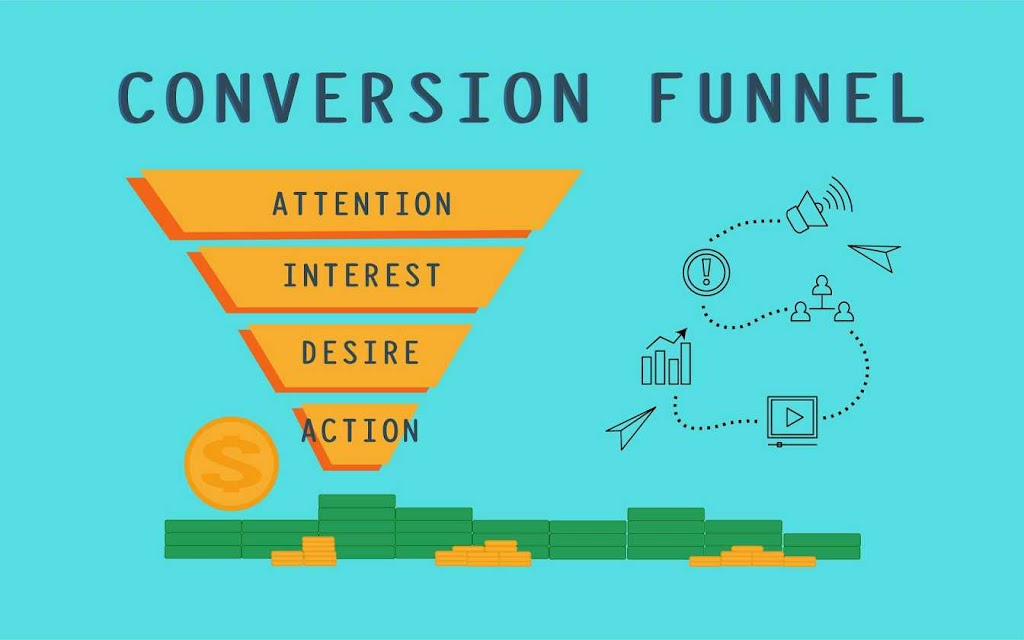
In sales terms, this is often called a “funnel.” The deeper a customer moves into your ecosystem, the more valuable that relationship tends to become over time.
You should always respect each customer’s individual preferences and boundaries, but from a purely practical standpoint, it’s genuinely worth thinking about how you continue nurturing the buyers Fiverr sends your way, rather than treating each transaction as entirely isolated.
Get this right, whether that means setting up a basic CRM system or integrating simple email marketing into your workflow, and you can see genuinely exponential growth in your sales over time.
How you manage this kind of growth ultimately depends on your specific expertise and resources. But the bottom line remains the same: real business exists here if you’re willing to focus seriously on demand and genuine value.
Conclusion
We’ve come to the end of this post on working online from home on Fiverr. I believe you found it genuinely valuable and picked up useful tips on getting started the right way, or sharpening your existing freelancing approach.
If you have any questions or suggestions, feel free to leave a comment below, I’d be so happy to hear from you.



good
So glad you found it good. Thank you.